November 8, 2023
New Possibilities for Aging Research – Focus of the 2023 NEAR workshop
On November 8, NEAR organized its fifth workshop in collaboration with the Ferrero Foundation during Healthy Aging Week 2023 in Alba, Italy. This year’s workshop focused on new opportunities for aging research in Europe. NEAR presented several examples and projects using NEAR data. The workshop was chaired by Maria Eriksdotter, Dean of Karolinska Institutet (KI) South, Maria Ancarcrona, Head of the Department of Neurobiology, Care Sciences and Society (NVS), KI, Björn Halleröd, Chair of the Steering Group of NEAR, and Davide Liborio Vetrano, Scientific Promoter of NEAR.
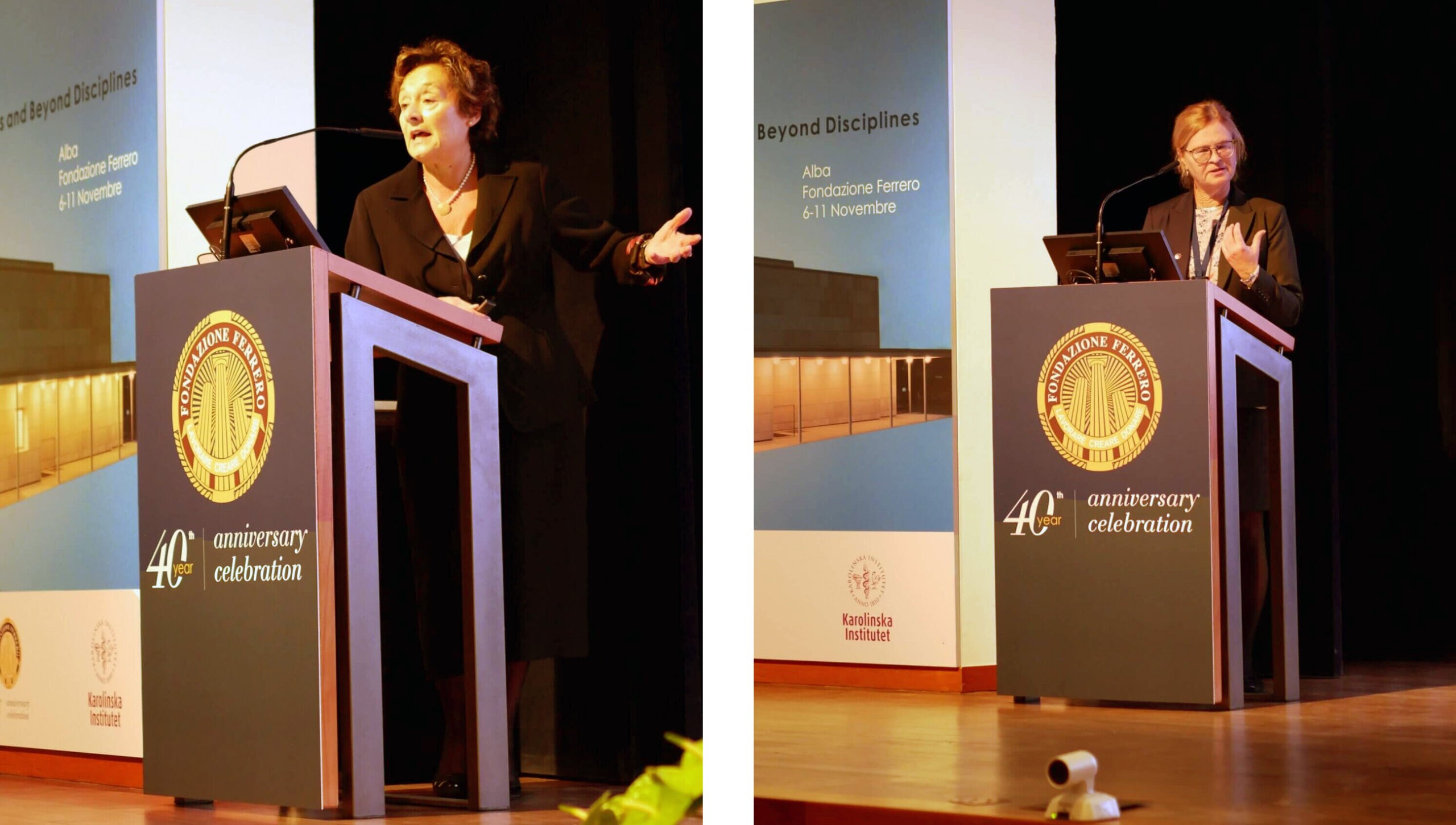
Photo of Laura Fratiglioni and Maria Eriksdotter. Photo: Maria Yohuang
After a welcome from Maria Eriksdotter and NEAR’s Director, Laura Fratiglioni, the workshop continued with various presentations. Ingmar Skoog presented cohort differences in older adults using H70 data. This was followed by Amaia Calderón Larrañaga, who discussed health in aging from a multidimensional perspective, and Tom Bellander who presented environmental risks for older adults. The second morning session continued with Lars Nyberg who focused on cognitive aging and insights from neuroimaging of the brains behind well-preserved memory. In addition, Sara Hägg offered insights into the genetic effects of biological aging. The session ended with Linus Jönsson, who discussed the challenges of unsuccessful aging in our healthcare systems from a health-economic perspective.
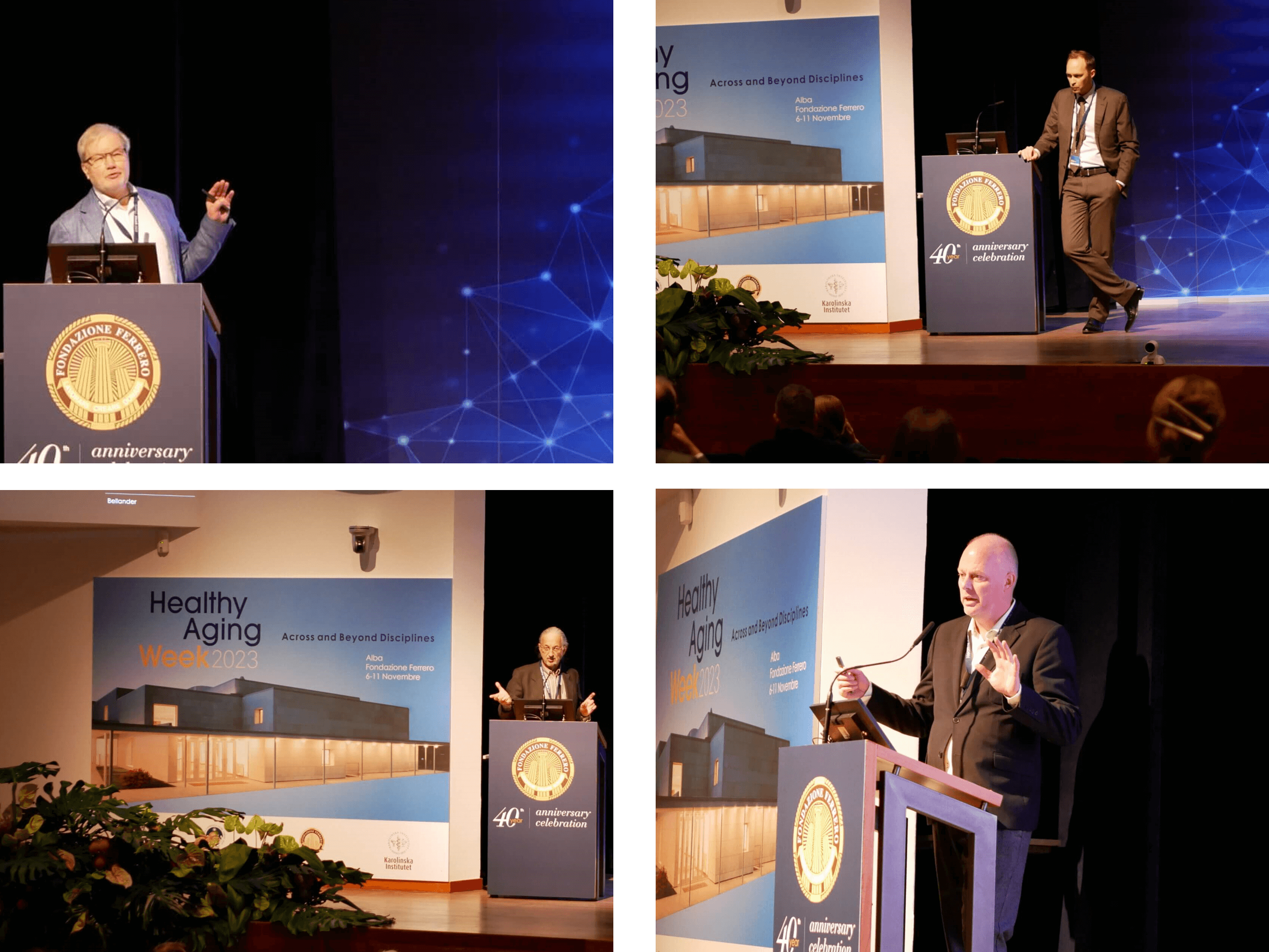
Photos of Ingmar Skoog, Linus Jönsson, Tom Bellander and Lars Nyberg. Photo: Maria Yohuang
The afternoon session focused on concrete examples of using NEAR data, presenting three different projects. Robert Thiesmeier presented a methodological project on the challenge of systematic missing data in prospective meta-analysis. This was followed by a talk by Caterina Gregorio, who focused on the interplay between health and non-health related factors on lifetime cardiovascular risk, and Shireen Sindi who shared the results from a project on the association between sleep and cognitive domains.
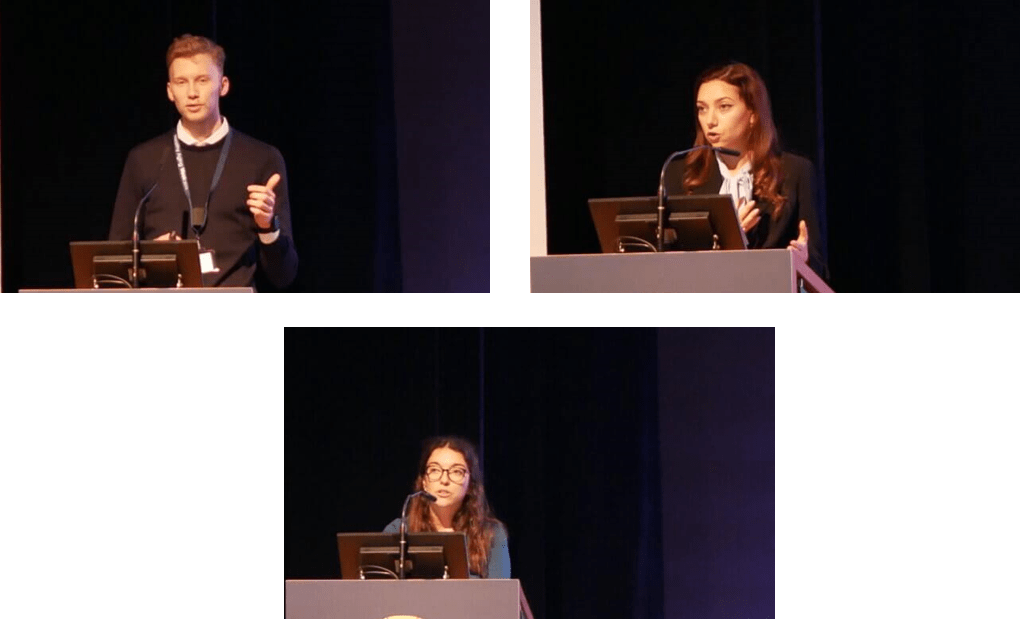
Photos of Robert Thiesmeier, Shireen Sindi, and Caterina Gregorio. Photo: Maria Yohuang
The day ended with Scott Hofer presenting high-quality big data from an international perspective. This was followed by a panel discussion among Anne Ekdahl, Maria Eriksdotter, Wilhelmina Hoffman, Alessandra Marengoni, Ingmar Skoog, and Andrea Ungar. Everyone agreed on the need for high-quality big data to increase sample sizes and power, especially for rare diseases. Moreover, big data from different study samples and geographical areas are equally critical for results generalizability. NEAR’s current building and development will provide future value for aging research. Hence, continued education is needed on collecting, handling, and storing epidemiological big data. It is also worthwhile to learn more about different methodologies and statistical models when using high-quality big data. In general, research results should be spread and translated into practice using our networks and contacts with policymakers. The reciprocal relationship between medicine and research was also underscored, highlighting the need for a clinical perspective to enhance the effectiveness and relevance of research in advancing healthcare practices.
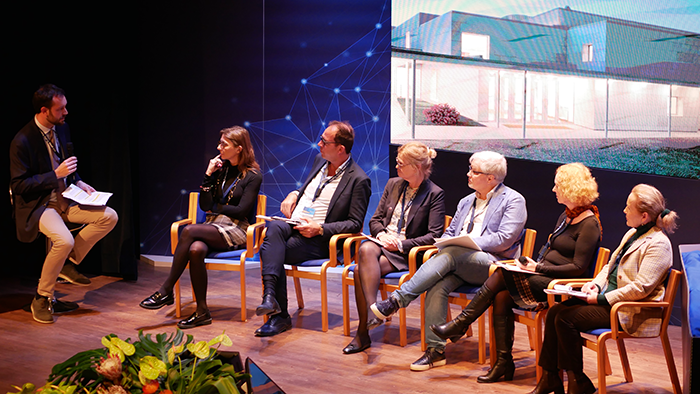
Photo of panel discussants members. Photo: Maria Yohuang
On the evening of the workshop, the Ferrero Foundation generously invited all conference attendees to a fantastic dinner at Ristorante a Govone. This was inside the Castle of Govon, which is a Unesco heritage site.
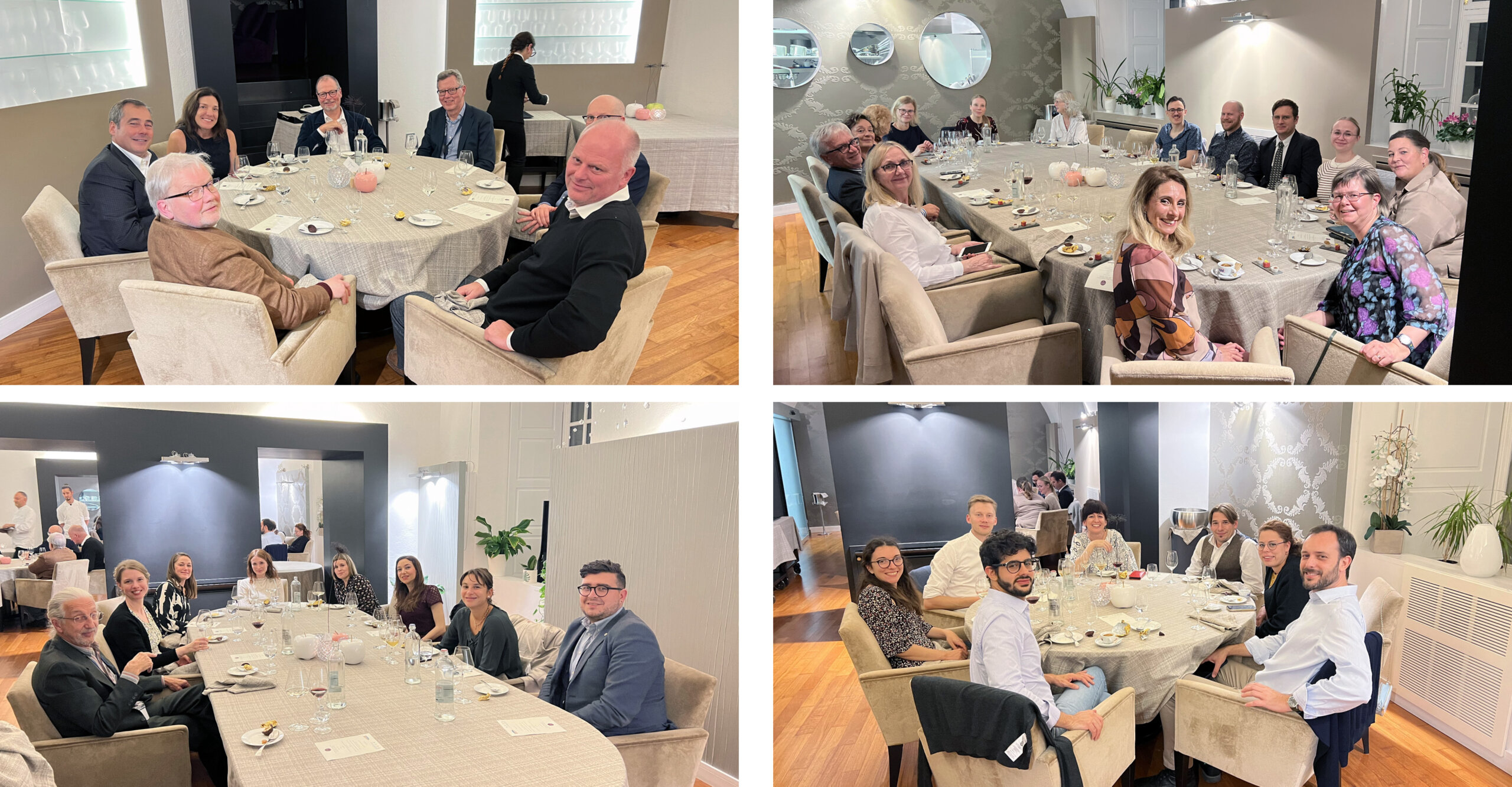
Photos: Maria Yohuang